Sketchbook Rituals for Slow Observation
Why ritual matters
Rituals scaffold attention. In the field they reduce decision fatigue, keep tools ready, and create a predictable context for looking. When observation is framed as a repeatable ritual it becomes easier to notice subtle changes and develop sharper visual memory.
A five-minute warmup
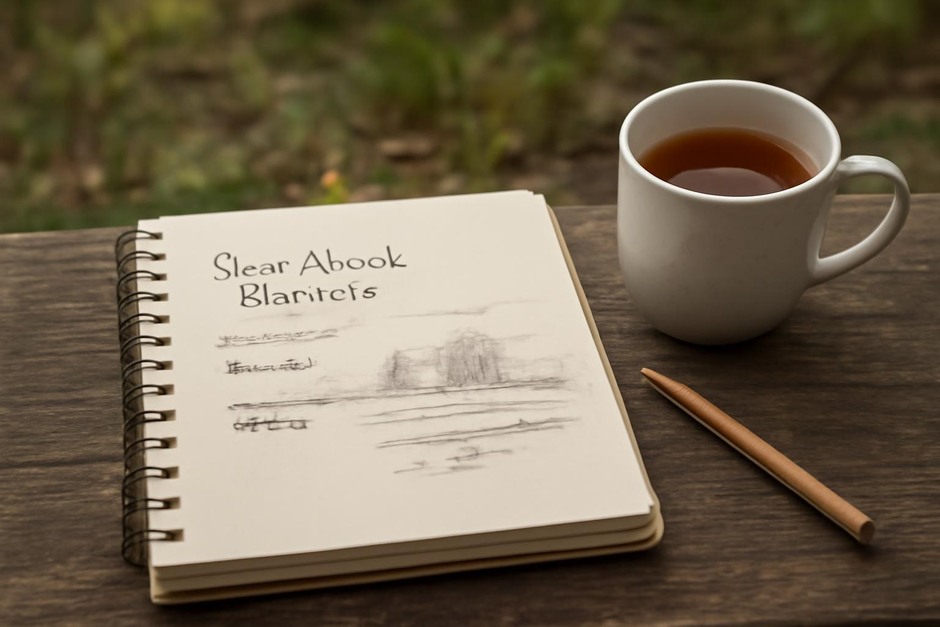
Begin with a short sequence that orients you to place and tools. A simple routine might be: set down the kit, make one broad wash or tone across the page, and write a single line noting light, wind, and temperature. The warmup move settles the page and primes your eye for detail.
Three rituals to integrate
- Scale anchor Always include a consistent scale cue on the page, such as a two-centimetre tick or a labelled ruler bar. This small habit helps later comparison and provides a starting spatial decision for every study.
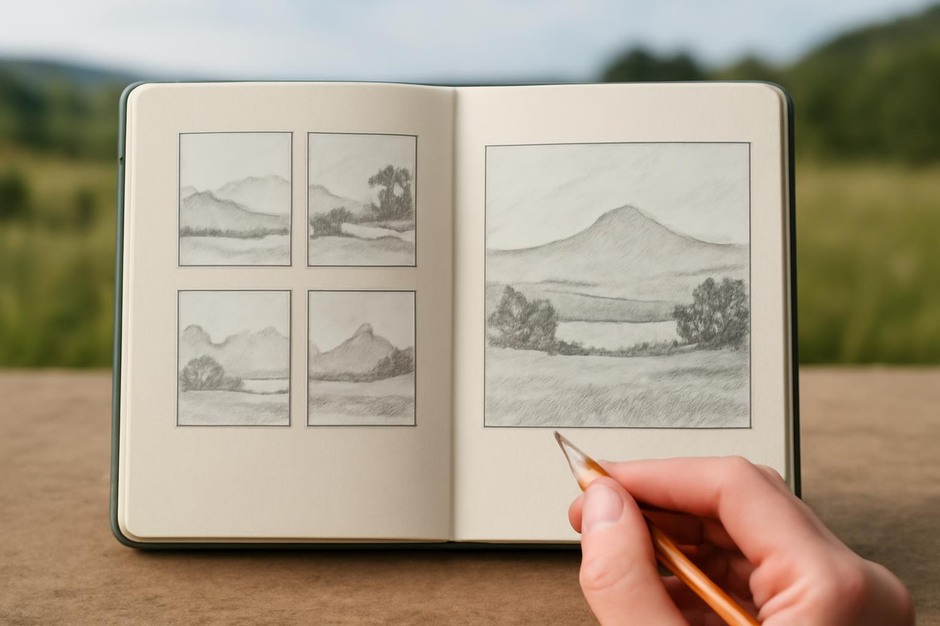
- One-minute thumbnail Before committing to a larger study, do a 60-second thumbnail that captures value masses and composition. This quick sketch defines focal points and helps avoid overworking details.
- Finishing signal End every page with a short note: a single sentence about what you noticed, or a timestamp. The closing gesture binds the study and creates an indexable habit for review.
Tools and page order rituals
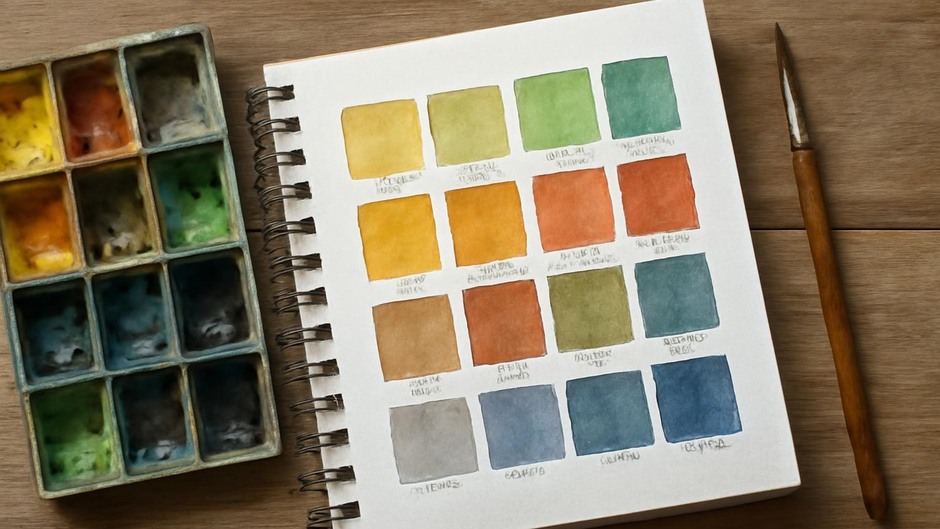
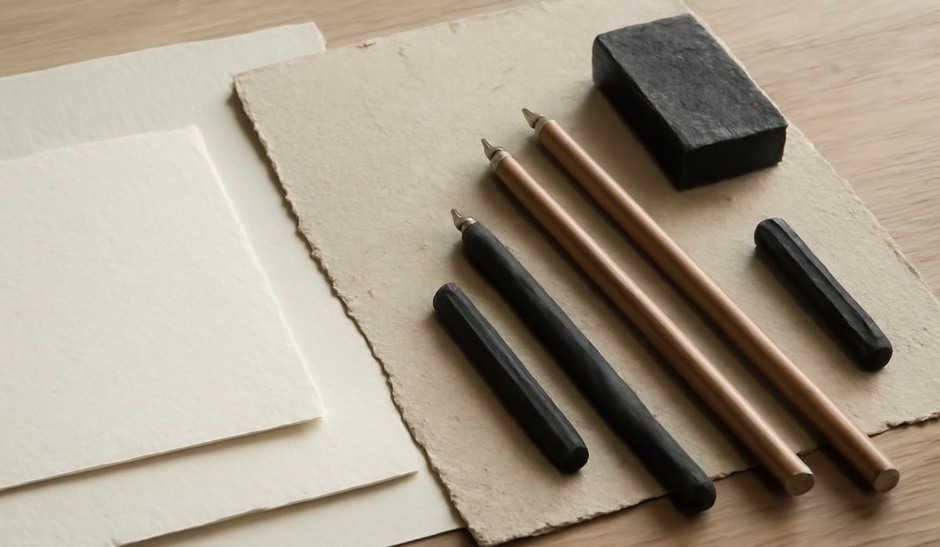
Keep a modest, consistent kit: one pen, one pencil, one small watercolour half-pan, and a small brush. Use the same notebook format to make comparison easy. When returning to a site, place new studies in a predictable sequence: thumbnails first, extended study second, and swatches or samples last. Predictable order reduces friction and clarifies progress.
Rituals for slow looking
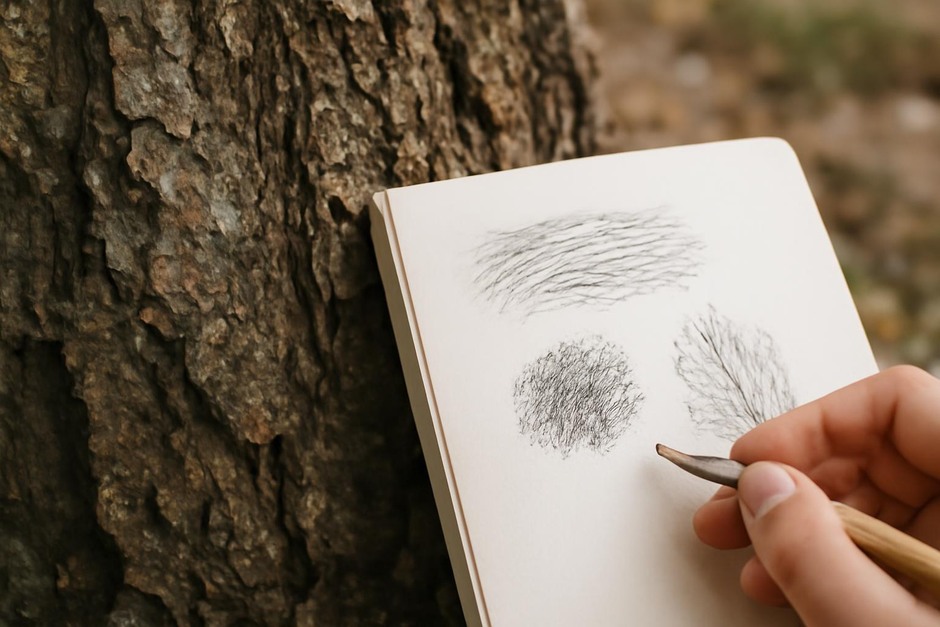
Slow observation is not absence of speed but selective slowness. Focus on one question per session: examine how a shadow edge changes with wind, or how leaf texture responds to drying. Set a timer for 15 to 30 minutes if helpful. Concentrated attention to a single question yields deeper records than diffuse attempts to capture everything.
Review rituals
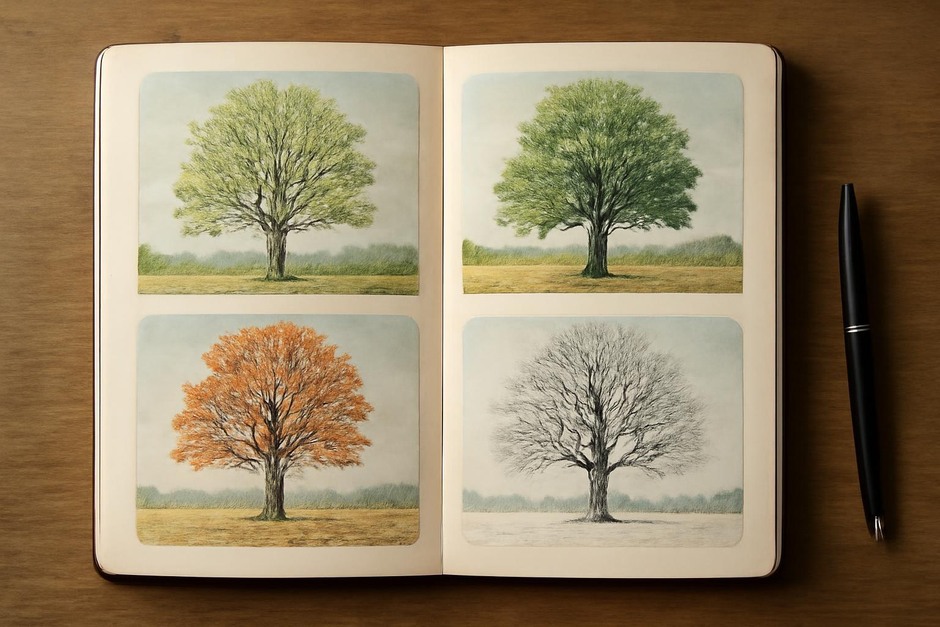
Schedule brief weekly reviews. Lay out recent pages and annotate with one or two lines about patterns: which marks were most effective, which pigment mixes recurred, or how compositional choices affected legibility. This slow feedback loop shapes future sessions more than occasional long critiques.
Keep rituals adaptable
Rituals are frameworks, not constraints. Adjust timings, tools, and signals to suit weather and stamina. The value of a ritual is its capacity to reliably bring you to observation. When it does, the sketchbook becomes not only a record but a training field for sharper seeing.